Metallic Base Pipe · Internal / External Protection · Buried / Above-Ground · Field Interfaces
Anti-Corrosion Surface Pipeline
LINSON OIL supports project-specific metallic anti-corrosion surface-pipeline systems for crude oil, produced water, industrial water and other corrosive or corrosion-sensitive fluid-transfer duties. Pipe body, internal/external protection, field joints, fittings, transitions, supports or burial interfaces and installation requirements are reviewed together against the actual medium, pressure, temperature, corrosion environment, route and project specification.
This page covers metallic-base surface pipelines with project-selected corrosion protection. GRE / FRP line pipe is a separate composite route. No coating system, thickness, pressure class, temperature limit, diameter, service life, corrosion multiplier, cathodic-protection setting or certification is treated as universal.
- Base Route
- Metallic Pipe
- Protection
- Project Selected
- Installation
- Buried / Above-Ground
- Scope
- Pipe / Joints / Fittings / Interfaces
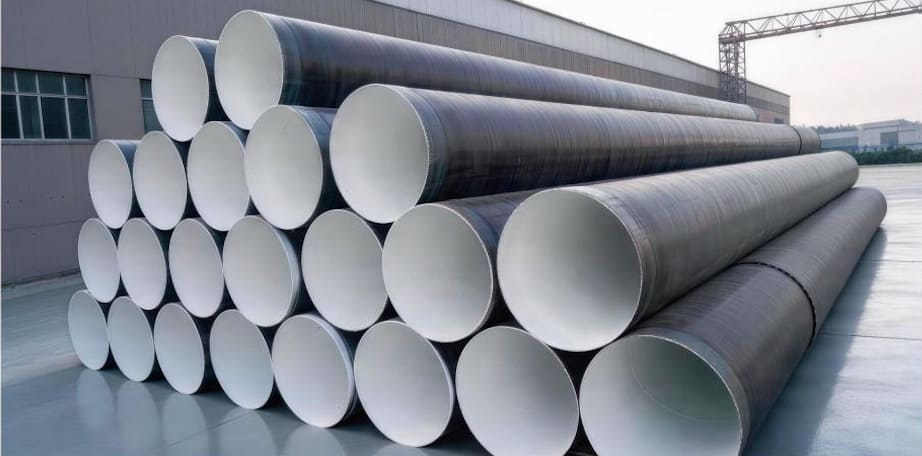
Metallic Surface Pipeline Product Family
Corrosion protection is selected around fluid exposure, external environment, joints, fittings, field construction and long-term maintainability.
Pipeline Selection Logic
Define the service and corrosion mechanisms first, then select the metallic pipe and protection system.
Internal fluid exposure and the external environment may drive different corrosion-control requirements. Pipe-body protection, field joints, buried/above-ground transitions, fittings, equipment tie-ins and construction damage risk therefore need one coordinated project basis.
- 01 / DEFINE
Define Fluid & Duty
Confirm medium, composition, flow, normal/design pressure and temperature, operating cycles and cleaning/maintenance conditions.
- 02 / ASSESS
Assess Corrosion Environment
Review internal corrosion drivers and external soil, atmosphere, moisture, exposure or buried-service conditions.
- 03 / SELECT
Select Protection Route
Choose only documented coated, lined or treated metallic-pipe routes suited to the confirmed service and project specification.
- 04 / INTERFACE
Resolve Joints, Fittings & Transitions
Coordinate field joints, elbows/tees/reducers, flanges, equipment nozzles, buried/above-ground transitions and repair details.
- 05 / EXECUTE
Define Installation & Inspection Controls
Align handling, construction, field-joint work, inspection, damage repair, testing and documentation with the selected system.
Applications
For surface metallic pipelines where the service or environment requires a defined corrosion-control route.
Application names do not imply one standard coating, lining or pressure class. Suitability remains tied to actual service and installation conditions.
Crude Oil & Gathering Lines
Metallic surface lines connecting wellsites, manifolds, separators, storage or processing facilities.
Produced-Water Lines
Produced-water, treated-water or reinjection-related surface pipelines where water chemistry and corrosion risk are defined.
Corrosive Industrial Media
Industrial fluid-transfer duties where medium compatibility and internal protection require project-specific review.
Buried / Above-Ground / Mixed Routes
Projects where soil, atmospheric exposure, crossings, supports, field joints and route transitions affect the corrosion strategy.
Pipeline System & Interfaces
Treat base pipe, internal/external protection and field interfaces as one system.
Direct source material documents multiple metallic anti-corrosive line-pipe routes. The final system should therefore be selected from current product documentation and the project corrosion basis, not from one universal website specification.
Metallic Base Pipe
Pipe dimensions, base-material route and mechanical requirements are confirmed from the service, code/specification and project design basis.
Internal Protection
Internal coating, lining or treatment is selected only where a documented route matches fluid exposure and operating requirements.
External Protection
External corrosion protection is reviewed against soil, atmosphere, moisture, burial, UV/exposure, handling and construction conditions.
Joints / Field-Joint Protection
Welded or other project-approved joints and local protection/repair details must maintain the intended corrosion-control boundary.
Fittings / Flanges / Transitions
Elbows, tees, reducers, flanges, equipment connections and material/route transitions are coordinated with the selected protection system.
Supports / Burial / Construction Interfaces
Supports, sleepers, trenches, bedding, sleeves, crossings, tie-ins and handling are reviewed for both mechanical and corrosion-protection requirements.
Engineering Inputs
Internal fluid exposure and external route conditions both matter.
Provide the P&ID, line list, fluid analysis, route/plot information, isometrics and corrosion/project specification where available. Existing pipeline inspection or failure data is particularly useful for replacement projects.
Fluid / Internal Corrosion Basis
Medium, composition, water content, salinity/chlorides, available H2S/CO2 data, solids, chemicals, pH and corrosion/scale history where relevant.
Flow / Pressure / Temperature
Normal/design flow, pressure and temperature, operating cycles, transients, cleaning/pigging requirements and shutdown conditions where applicable.
Route / External Environment
Buried/above-ground split, soil/groundwater data, atmospheric exposure, route length/elevations, crossings, supports, insulation and site conditions.
Connections / Inspection / Scope
Pipe/fitting/interface requirements, jointing, field-joint protection, inspection/testing, repair criteria, installation scope, documents and customer/vendor split.
Manufacturing, Protection & Inspection
Inspection follows the selected metallic-pipe and corrosion-protection route.
Direct anti-corrosion source material documents multiple coated metallic line-pipe families. Final base-pipe control, surface preparation, coating/lining/treatment application, continuity/appearance checks, dimensional/interface verification, project-required testing and repair criteria should follow the exact selected product route and owner/EPC specification.
Technical Release
Confirm base pipe, protection route, field joints/fittings, route conditions, inspection scope and documentation.
Pipe / Protection Processing
Apply the selected metallic-pipe and corrosion-protection process according to the released product and project basis.
Inspection / Repair Control
Perform product/project-defined appearance, continuity, dimensions/interfaces and applicable acceptance or repair checks.
Packing / Field Documentation
Prepare handling/protection requirements, marking, packing, inspection records and field-joint/repair guidance where included.
Related Products
Keep metallic surface pipelines distinct from composite line pipe and downhole tubing.
GRE / FRP Line Pipe
Separate composite surface-pipeline route with different material, joining and installation considerations.
Anti-Corrosion Tubing
Separate metallic downhole tubing product family; do not transfer its connection or protection assumptions to surface pipe.
Produced Water Reinjection Package
Package context where corrosion-resistant surface lines connect treated water to injection facilities.
Oilfield Process & Storage Tanks
Related storage and transfer equipment where pipeline/tank corrosion strategy may need coordinated interfaces.
Solution & Evidence
Direct source material separates metallic anti-corrosive line pipes from downhole products.
Solution
Pipeline, Storage & Corrosion Protection
Wider engineering context for comparing metallic anti-corrosion, GRE/FRP and storage corrosion-protection routes by service.
Composite Comparison
GRE Pipeline Application Portfolio
Reference the composite-pipeline evidence separately when a buyer is comparing metallic and GRE/FRP routes.
Direct Product-Family Evidence
Anti-Corrosive Line Pipes
Direct anti-corrosion product literature lists anti-corrosive line pipes as a dedicated product family and documents multiple coating routes. This supports the independent surface-pipeline page without converting any one coating route into a universal website standard.
Anti-Corrosion Surface Pipeline RFQ
Send the fluid, corrosion, route and field-interface basis.
Share fluid composition, normal/design P/T and flow, corrosion/inspection history if existing, buried/above-ground route data, soil/atmospheric conditions, pipe size/material basis if specified, joint/fitting/interface requirements, P&ID, line list, isometrics and Technical Specification. We will clarify the suitable documented protection route before quotation.
Detailed datasheets, drawings and project-specific technical documents are prepared after the operating conditions, scope of supply and commercial basis have been sufficiently clarified.